

Our programs
Our program offers age appropriate activities to keep all children participate actively. Through our guidance, they will experience new opportunities for exploration and discovery.
Different areas of early childhood development includes physical, emotional, social and cognitive development. Our play based curriculum includes dramatic play, craft/art, music, dance, reading, field trips, and of course birthday parties.
-
Infant Program
0-12 months
Infant Program is created for children who are aged 0-12 months.
-
Toddler Program
1 to 2.5 years
Toddler Program is created for children who are aged 1 to 2.5 years old.
-
Transitional Program
2.5 years to kindergarten
Transitional Program is created for children from 2.5 years old until they start kindergarten.
A day at our home
- 8:00 - 9:30 AMDrop offOutdoor free choice play
- 9:30 - 10:00 AMMorning snack
- 10:00 - 12:00Free learning timeMusic & Movement, Nature & Science, Art & Craft, Story & Books, Large Motor Activities, Sand or Water
- 12:00 - 12:40 PMLunch time
- 12:40 - 3:30 PMTransitions & nap time
- 3:30 - 4:20 PMTransitions & afternoon snack
- 4:20 - 5:30 PMOutdoor activitiesSand or Water Play / Pick Up
*A typical day. Each home's schedule may differ, and it is individualized and flexible to meet the needs of each child. See each home's page for its hours.
How children learn here
Six areas, shown for infants and for toddlers and transitional-age children. Open any area to see what your child will do.
Language
Infants
Infants learn to use language to connect with their world, to develop relationships, and to get what they need. We encourage these skills through everyday experiences such as:
- Singing lullabies and songs
- Naming objects
- Engaging in daily conversations
- Exploring picture books
- Playing rhyming and word games
Toddlers and Transitional
Toddlers start to expand their vocabulary from single into multiple-word phrases. We continually model language and engage toddlers in rich conversations. They will:
- Participate in conversations with caregivers and peers
- Follow one-step directions
- Enjoy reading books through stories
- Increase short-term memory and recall
- Write, draw and scribble on paper
Math
Infants
We provide appropriate materials and activities to promote the development of early mathematical understanding, such as shapes and space. Our baby will have the opportunity to learn:
- Recognizing words that describe positions such as "up" or "under"
- Becoming aware of space and variations in it
- Understanding quantity concepts like "more"
- Repeating an action to make the same thing happen again
- Making choices from a group of items
Toddlers and Transitional
Math activities such as, figures for sorting, shape boxes for matching, cups to stack by size, and sensory tables to learn comparison of quantity and volume. We help one and two-year-olds take their first steps towards understanding math by:
- Using "number talk" such as more / less, under / over, inside / outside, full / empty
- Counting to 2 or 3 during activities such as snack time
- Talking about time in daily conversations ("Now…then…last")
- Playing sorting and matching games
Science
Infants
Science to infants is found in real world and everyday moments as they move through their environment, manipulate objects, and explore with all their senses. We help curious babies begin the process of discovery by:
- Providing a sensory-rich environment that encourages exploration in a safe way
- Experimenting with volume by filling and dumping buckets filled with toys
- Using safe toys and materials with varied textures, smells, tastes and sounds
- Playing peek-a-boo
- Exploring nature in safe, outdoor environments
Toddlers and Transitional
Toddlers have a strong sense of curiosity about how things work and an innate desire to make sense of the world. We put scientific learning into all aspects of a toddler's day by offering opportunities to:
- Explore multiple solutions during story times
- Play with puzzles and busy boxes
- Manipulate play dough with tools such as cookie cutters and rolling pins
- Experiment with volume through sand, and water play at the sensory table
- Formulate "why, what, how?" questions in daily interactions
Art
Infants
Babies are immersed in rich and diverse experiences that capture their interest, nurture their development, and excite their senses. We guide children to explore their creative side and to appreciate the beauty of the art world by:
- Painting with large brushes, sponges, and fingers
- Using rattles and musical instruments
- Dancing and moving to varied beats, music, and tempos
- Playing with puppets and dolls
- Reading vivid picture books
Toddlers and Transitional
We encourage creativity and innovation by engaging children in artistic experiences that allow them to explore art with all their senses. It enhances development in other areas including literacy, math, and science. Your toddler will:
- Explore sensory materials - squishy clay, textured sponges, and scented paint
- Experiment with and explore colors
- Play, shake, and strum instruments
- Dance with scarves to varied types of music
- Participate in pretend play
- Play with puppets
Social Play
Infants
Although they are our youngest citizens, infants can begin to understand the basic concepts that provide a foundation for becoming a happy, contributing member of society. We encourage a baby's exploration of the world around us by:
- Looking at family albums made by parents and teachers
- Setting up safe spaces that encourage play near peers
- Showing affection and compassion every day
- Engaging in imaginative, caring play such as rocking a doll
Toddlers and Transitional
Daily activities such as watering flowers, viewing diverse family photos, and playing with differently-abled dolls help toddlers begin to step outside their own boundaries and to embrace concepts such as acceptance, diversity, and personal responsibility. We encourage children to reflect on themselves, their peers, and the world they live in by:
- Talking about feelings
- Having "show and share" times
- Encouraging play between peers
- Expressing compassion and empathy in books and daily interactions
Health & Safety
Infants
Babies are exposed to healthy habits and routines to help them build a foundation for lifelong health. Your baby will have the opportunity to:
- Enjoy physical activities both indoors and outdoors, in very safe environments designed specifically for infants
- Identify and communicate his/her hunger needs
- Become receptive to a variety of flavors and textures when he/she is ready for solid foods
- Participate in routine health care when he/she is diapered and assisted with hand washing
Toddlers and Transitional
The relationship between a child's physical health and his social, emotional, and cognitive achievements makes it crucial to ensure he feels strong, healthy, and well nourished every day. We help children to understand how their bodies work, what they need, and how to protect them by helping children:
- Practice small muscle skills like drawing, writing or cutting
- Spend time in the natural world
- Identify healthy foods and growing vegetables from seed
- Practice proper hygiene
- Follow simple safety rules
Family Child Care Environment
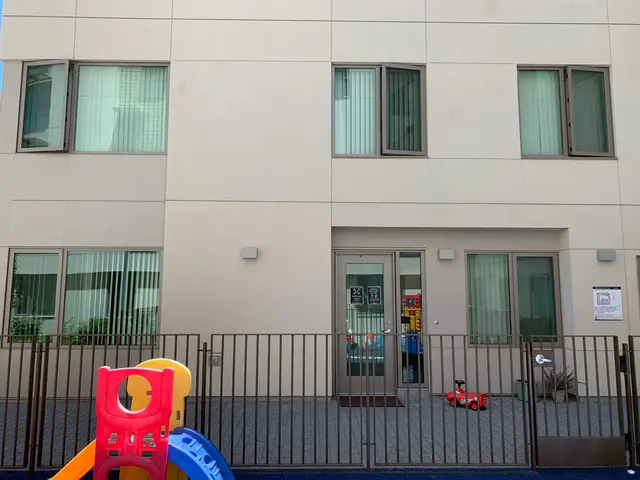
Environment includes organization of space, interaction, activities, schedule, and provisions for parents and provider. We follow FCCERS–R to arrange our environment for a wide age range, to ensure protection of children's health and safety, appropriate stimulation through language and activities, and warm, supportive interaction.
Come and check out our special design & setting in person.